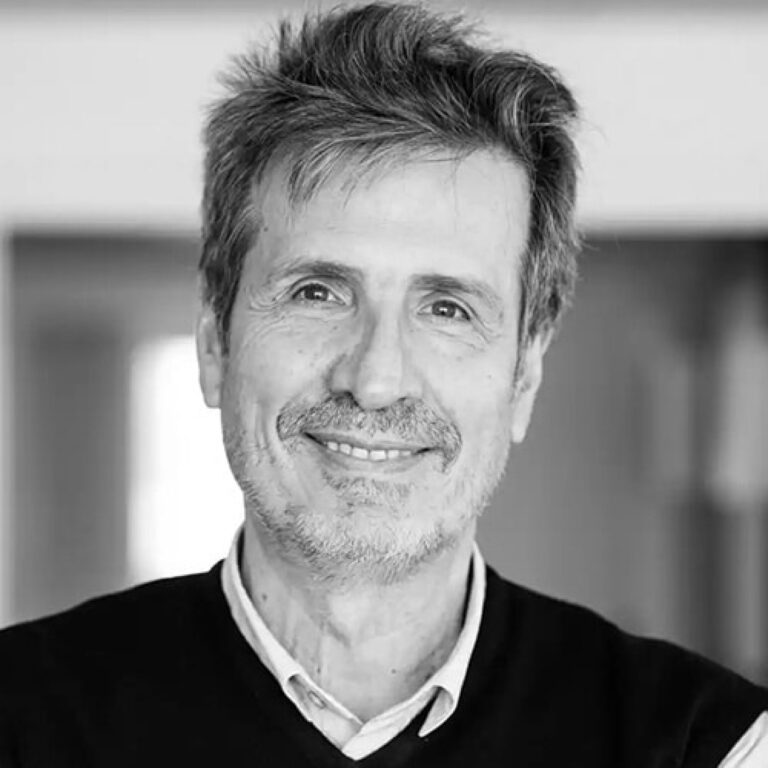


The nomination of Jared Isaacman as NASA Administrator has ignited wide-ranging debate, reflecting the critical importance of the agency and its leadership. My approach to this assessment is not bound by political color; the analysis remains the same, whether it was a nomination by President Trump or Kamala Harris. In this article, I will offer my view about the extraordinary journey of Jared Isaacman and why, in my opinion, his exceptional skills and vision can mold NASA’s future at this critical juncture.
Against the background of being a self-made entrepreneur, pioneer in private space exploration, Isaacman really becomes a deeply compelling and visionary philanthropist. Running parallel to NASA’s challenges and aspirations gives us a view of what his leadership could mean for the agency and the future of humanity’s journey into space.

While NASA has been successful in landing astronauts on the Moon, sending rovers to Mars, and building the James Webb Space Telescope, it still faces a number of challenges regarding public interest, political pressures, and cost overruns.


Such missions result from a joint effort with extended coordination of activities by its 13,000 employees at SpaceX, together with NASA personnel, astronauts, engineers, and researchers across different facilities. Under his leadership, Isaacman brought diverse teams together toward shared, ambitious goals in these complex projects, reflecting a commitment to progressing human space exploration.


El Dr. José Miguel Gaona es psiquiatra forense. Ha peritado algunos de los crímenes más difíciles de explicar de este país y, a la vez, es uno de los pocos médicos que ha estado dentro de exorcismos reales, tras formarse en el curso para exorcistas del Vaticano en Roma. Su último libro, «Posesión: Un viaje profundo entre la ciencia y el misterio de los exorcismos»(https://amzn.to/3ThBoqG), no va, en realidad, de demonios: va de la mente humana, del mal y de esa frontera incómoda en la que la ciencia se queda sin palabras.
En esta conversación hablamos del cerebro que fabrica sus propios fantasmas: epilepsia, disociación, criptomnesia, parálisis del sueño, del «casco de Dios» que él mismo se puso en el laboratorio de Persinger, de la banalidad del mal de Hannah Arendt y del caso de Pioz, del libre albedrío de Libet, y de los casos que, siendo un escéptico riguroso, reconoce no poder explicar.
Y de una pregunta que lo atraviesa todo: ¿el mal está fuera de nosotros, o dentro?
Una charla larga, sin prisa, entre la neurociencia y el misterio, con un hombre que ha aprendido a mirar el mal de frente sin apartar la vista.
Síguenos en Redes
Twitter: https://twitter.com/radioelrespeto
Instagram: https://www.instagram.com/radioelrespeto/
Facebook: https://www.facebook.com/radioelrespeto
Redes Sociales del Equipo:
| Pablo Fuente | https://www.instagram.com/pablofuente/
| Nacho Sevilla | https://twitter.com/nachorsevilla
| Fernando Sierra | https://twitter.com/Peeweeyo1