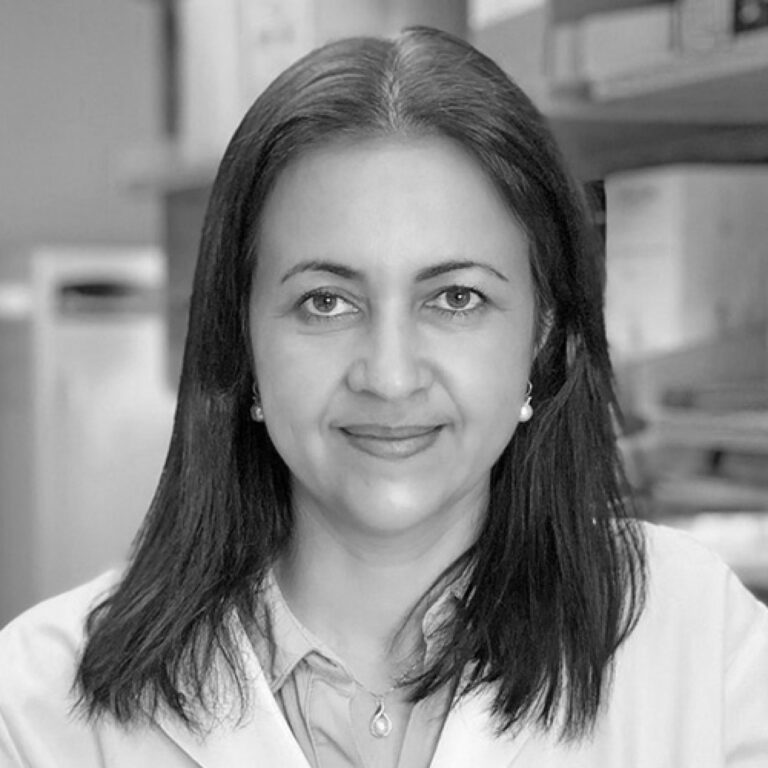
Hi! I’m Pablo Fuente and I appreciate you stopping by to share this moment with me.
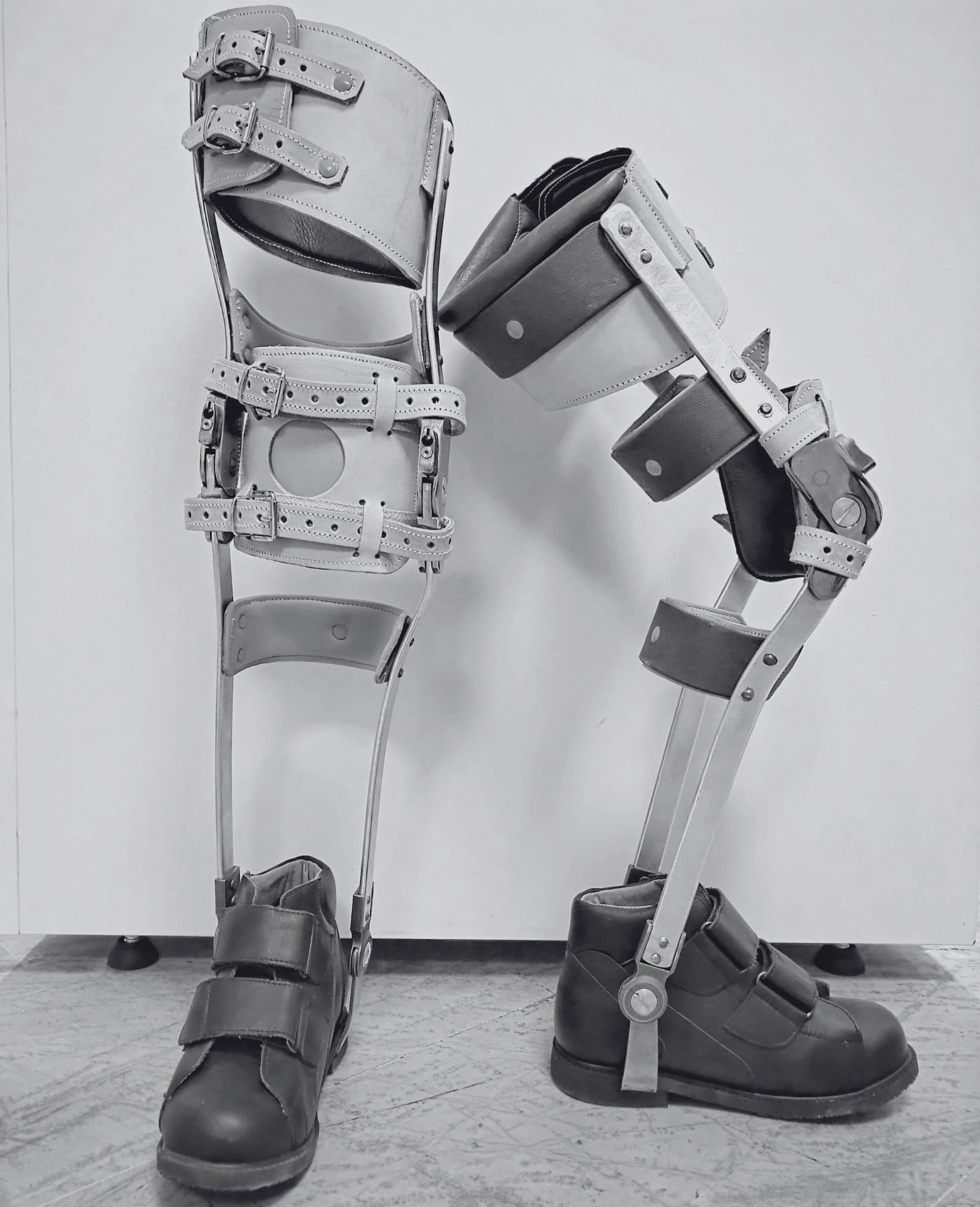
From an early age, I understood that life is full of unexpected surprises. At the age of five, a genetic mutation altered my hip irrigation and landed me in a wheelchair with a brace (a bitutor) very similar to the one worn by Forrest Gump.
I remember that my grandfather, genius and figure, turned my two cast legs into an improvised trapeze swing. And that my sister, knowing my eagerness for the extreme, one day propelled my chair at such a speed that I was thrown into the air-one of my eighteen gaps in my head, to remember.
In 2003 I faced one of the toughest challenges of my life: for three years, I suffered daily panic attacks with no clear cause. It was then that Olga appeared, a great professional who proposed me something simple but decisive: “Start moving, go from trash can to trash can”.
That’s how I started running. First a few meters, then a little more. It wasn’t about breaking records, but about regaining my breath, my pulse, my confidence. From then on, running was just the first step in changing the way I looked at the world: with curiosity, with passion and with the constant urge to go a little further.
I have sung in a Broadway musical, danced in front of 15,000 people in a Cirque du Soleil show, participated in prime time television shows, completed four long distance triathlon World Championships, lived in thirteen countries, toured over fifty, and work as a guide for athletes with neurodivergences.
That insatiable curiosity to understand the world drove me to create Radio El Respeto and Órbita Infinita, two spaces where I share fascinating stories about science, exploration and the great challenges of our time. We talk about what’s happening here – on Earth – but also about what’s to come up there, in space.
My passion for radio has been with me since I was a child. I remember those nights when I would turn on the transistor in secret to listen to the great announcers. That sound, those voices, ignited something in me that still drives me today.
I did not study journalism -I am an economist-, and sometimes I regret not having made radio my academic path. But who knows… someday maybe I’ll settle that debt with myself. In the meantime, I keep asking, listening and sharing what really matters.
I currently live and work in the United States, in a demanding business environment that has taught me a lot and has allowed me to achieve professional goals of which I am proud.
But I wouldn’t say that’s what defines me as “successful”. If I feel fortunate, it is for having taken firm steps, always guided by curiosity and the constant desire to improve. And none of that would have been possible without the unconditional love and support of my wife and family.
I deeply believe that life gives us extraordinary moments. Our mission is to know how to recognize them, to inspire each other and to spread the enthusiasm to explore. Because when we dare to look beyond the known, we discover that the extraordinary is much closer than we imagine.
Welcome to my world, where every step -no matter how small it may seem- is an invitation to discover, learn… and fulfill dreams.

¿Por qué gastar dinero en el espacio cuando aquí abajo hay tantos problemas? Es una muy buena pregunta. Y merece una respuesta honesta.
La NASA lleva 50 años resolviendo problemas imposibles: sin gravedad, sin atmósfera, sin hospital, sin margen de error. Y resulta que las soluciones que encuentran allí arriba acaban siendo las mejores posibles aquí abajo.
Tenéis todos los informes desde 1976 aquí: https://spinoff.nasa.gov/spinoff/archives
En este episodio exploramos 8 tecnologías reales del informe de la NASA Spinoff 2026, todas aprobadas por organismos reguladores, todas con origen en el programa espacial, todas cambiando vidas en la Tierra ahora mismo.
El sensor implantable que reduce un 73% las hospitalizaciones por insuficiencia cardiaca
El laboratorio portátil que analiza una gota de sangre en 15 minutos sin necesidad de laboratorio
El cinturón que regenera densidad ósea usando investigación de la NASA para astronautas
El robot quirúrgico de menos de un kilo que opera a distancia — ya probado en el espacio
La impresora 3D que construye casas en Texas con la misma tecnología con la que quiere construir en Marte
La tecnología que descontamina agua sin químicos, nacida de la Estación Espacial Internacional
El espacio no es el rival de la Tierra. Es su laboratorio.
Si te perdiste la primer parte, la puedes ver aquí: https://www.youtube.com/live/3sisn90j5Tw?si=IbHrEBAx7hbKwgfx
Síguenos en Redes
Twitter: https://twitter.com/radioelrespeto
Instagram: https://www.instagram.com/radioelrespeto/
Facebook: https://www.facebook.com/radioelrespeto
Redes Sociales del Equipo:
| Pablo Fuente | https://www.instagram.com/pablofuente/
| Nacho Sevilla | https://twitter.com/nachorsevilla
| Fernando Sierra | https://twitter.com/Peeweeyo1