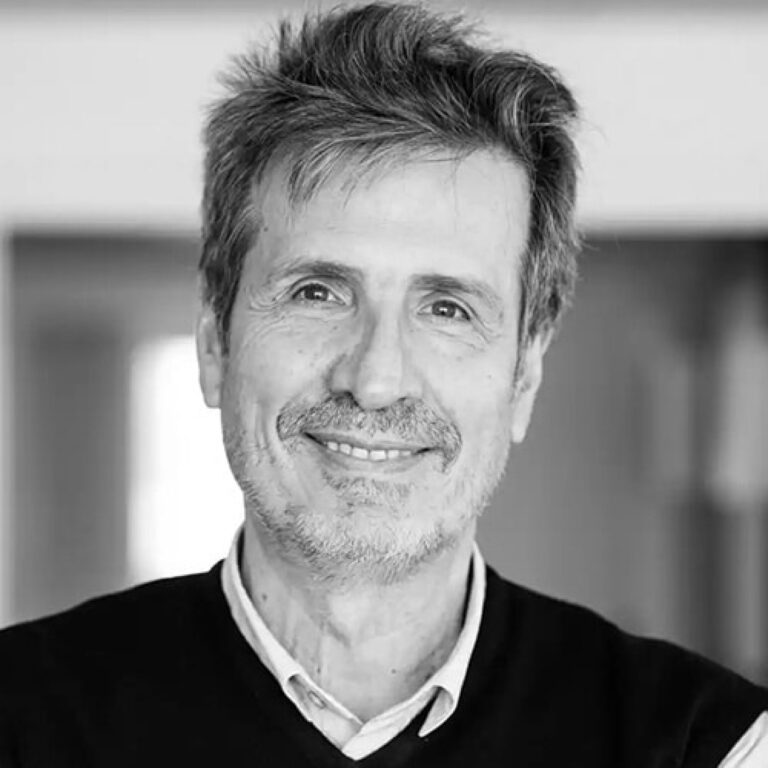
Hi! I’m Pablo Fuente and I appreciate you stopping by to share this moment with me.
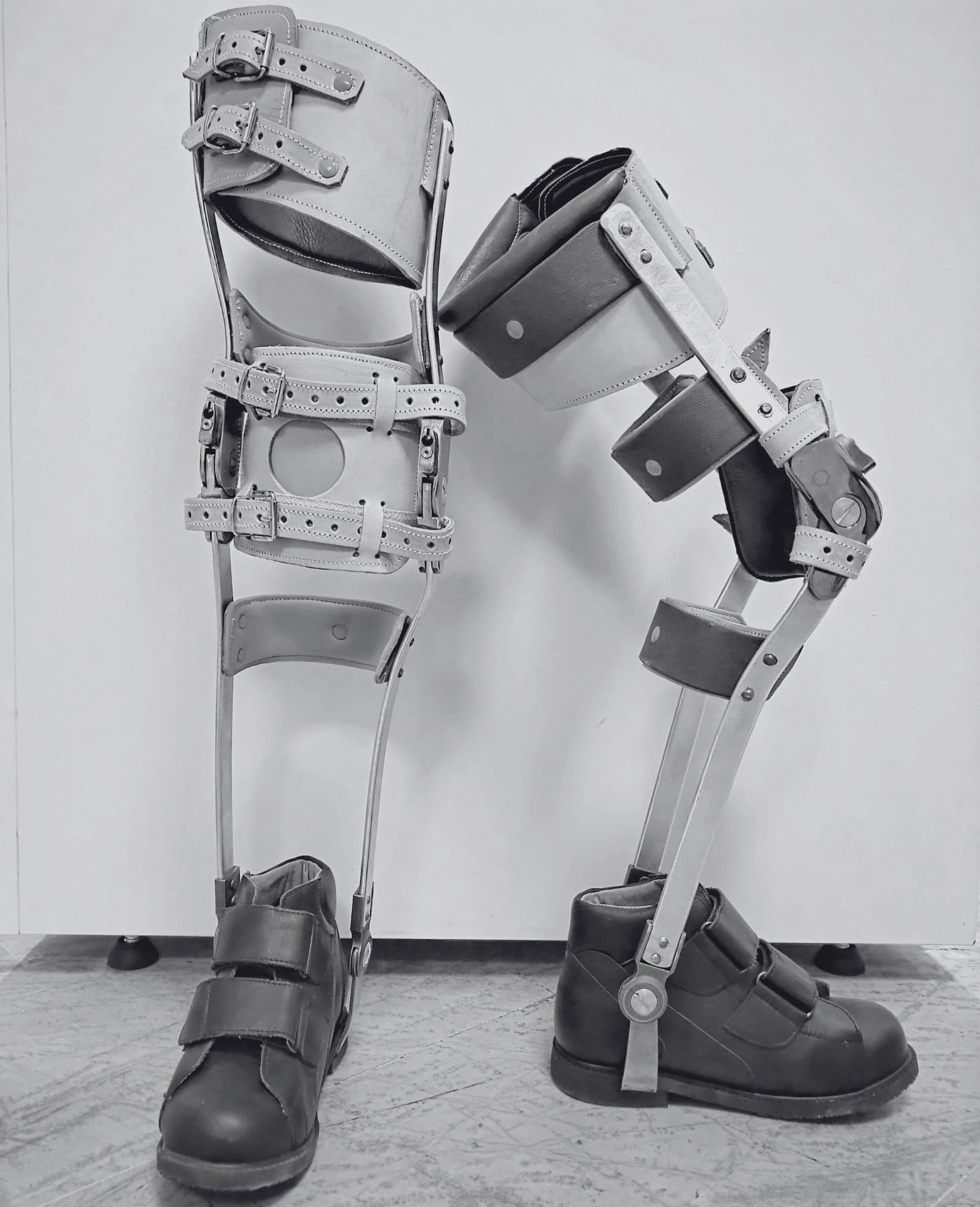
From an early age, I understood that life is full of unexpected surprises. At the age of five, a genetic mutation altered my hip irrigation and landed me in a wheelchair with a brace (a bitutor) very similar to the one worn by Forrest Gump.
I remember that my grandfather, genius and figure, turned my two cast legs into an improvised trapeze swing. And that my sister, knowing my eagerness for the extreme, one day propelled my chair at such a speed that I was thrown into the air-one of my eighteen gaps in my head, to remember.
In 2003 I faced one of the toughest challenges of my life: for three years, I suffered daily panic attacks with no clear cause. It was then that Olga appeared, a great professional who proposed me something simple but decisive: “Start moving, go from trash can to trash can”.
That’s how I started running. First a few meters, then a little more. It wasn’t about breaking records, but about regaining my breath, my pulse, my confidence. From then on, running was just the first step in changing the way I looked at the world: with curiosity, with passion and with the constant urge to go a little further.
I have sung in a Broadway musical, danced in front of 15,000 people in a Cirque du Soleil show, participated in prime time television shows, completed four long distance triathlon World Championships, lived in thirteen countries, toured over fifty, and work as a guide for athletes with neurodivergences.
That insatiable curiosity to understand the world drove me to create Radio El Respeto and Órbita Infinita, two spaces where I share fascinating stories about science, exploration and the great challenges of our time. We talk about what’s happening here – on Earth – but also about what’s to come up there, in space.
My passion for radio has been with me since I was a child. I remember those nights when I would turn on the transistor in secret to listen to the great announcers. That sound, those voices, ignited something in me that still drives me today.
I did not study journalism -I am an economist-, and sometimes I regret not having made radio my academic path. But who knows… someday maybe I’ll settle that debt with myself. In the meantime, I keep asking, listening and sharing what really matters.
I currently live and work in the United States, in a demanding business environment that has taught me a lot and has allowed me to achieve professional goals of which I am proud.
But I wouldn’t say that’s what defines me as “successful”. If I feel fortunate, it is for having taken firm steps, always guided by curiosity and the constant desire to improve. And none of that would have been possible without the unconditional love and support of my wife and family.
I deeply believe that life gives us extraordinary moments. Our mission is to know how to recognize them, to inspire each other and to spread the enthusiasm to explore. Because when we dare to look beyond the known, we discover that the extraordinary is much closer than we imagine.
Welcome to my world, where every step -no matter how small it may seem- is an invitation to discover, learn… and fulfill dreams.
La enfermedad de Alzheimer afecta a más de 55 millones de personas en el mundo. Pero lo que la mayoría no sabe es que hasta el 45% de los casos podrían evitarse o retrasarse. Y que un simple análisis de sangre podría detectar la enfermedad hasta 20 años antes de que aparezca el primer síntoma. En esta conversación con la neurocientífica Sonia Villapol — investigadora en el Houston Methodist Research Institute, experta en neuroinflamación, nutrición y daño cerebral — recorremos el estado real de la ciencia del Alzheimer en 2026: desde la genética que determina quién tiene más riesgo, hasta los tratamientos que por primera vez en la historia están llegando a Europa. Hablamos de los 14 factores de riesgo modificables que la Comisión Lancet ha identificado y que están en nuestras manos controlar. Hablamos del gen APOE4 — presente en casi el 25% de la población — y de un estudio reciente publicado en Nature que concluye que sin los alelos ε3 y ε4, la inmensa mayoría de los casos de Alzheimer sencillamente no ocurrirían. Hablamos de lo que el café, el sueño, el ejercicio y la microbiota intestinal pueden hacer por tu cerebro. De cómo un golpe en la cabeza puede desencadenar una cascada inflamatoria que acelera la neurodegeneración años después. De por qué las personas que han superado un cáncer parecen tener menos riesgo de desarrollar Alzheimer. Y del dato más esperanzador: que los centenarios podrían guardar claves de protección frente a la demencia que aún no entendemos del todo. Una conversación para entender que el Alzheimer no es solo una enfermedad del olvido. Es una enfermedad que se gesta durante décadas, en silencio, y por primera vez contamos con herramientas reales para interceptarla.