

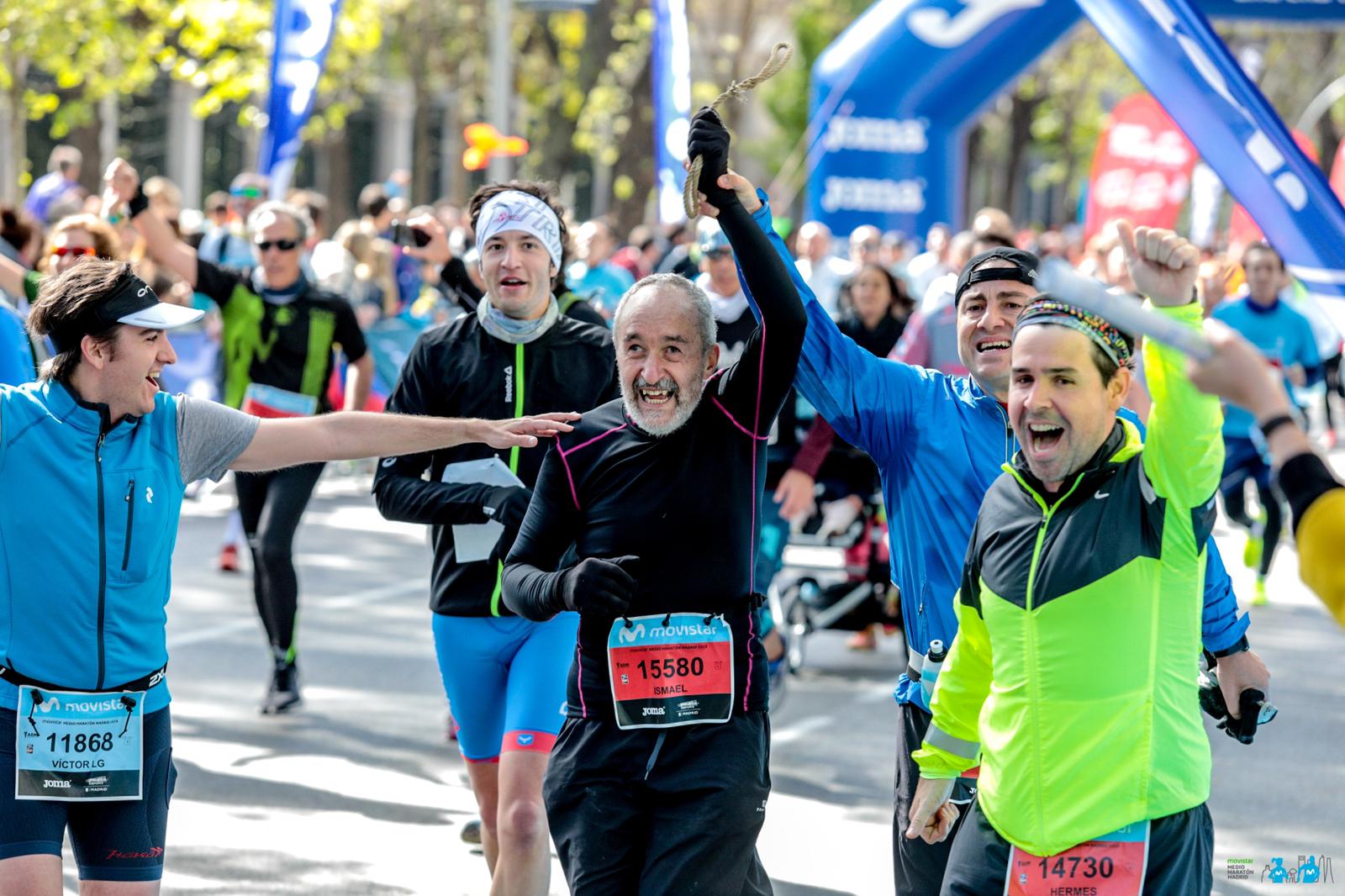
I actively collaborate with people with intellectual and developmental disabilities to make physical exercise a regular practice in our schools, health and wellness centers.
One of the experiences that inspires me the most is having accompanied Chris Nikic, an example of self-discipline and strength, in the Ironman Roth in July 2024 and in various endurance races.
In November 2020, Chris set a milestone by becoming the first person with Down syndrome to complete an Ironman, breaking barriers and breaking new ground in the sport.
Beyond his international records and accolades-including a Guinness World Record, ESPY awards, his appointment as a Special Olympics and Ironman ambassador, and his induction into the Florida Sports Hall of Fame-what truly stands out about Chris is his ability to transform challenges into opportunities. His “1% Better” motto, devised by his father, reflects a mindset of constant improvement that allows him to progress every day and inspires everyone around him.
But my work is not limited to Chris. I also have the privilege of working as a guide for other athletes with neurodivergences and for blind people, supporting them on their path to self-improvement through sport. Guiding these athletes has been a deeply enriching experience for me, a daily reminder of the importance of sharing knowledge and supporting those who teach us, by example, that sport is a path to inclusion and empowerment.
With the “garbage can to garbage can” philosophy at heart, we learn to focus on the next small goal and, little by little, to go further, transforming each kilometer traveled and each obstacle overcome into a life lesson.
It is an honor to witness the growth and tenacity of these athletes, and to see how, with positivity and unwavering courage, they achieve goals that seemed unattainable, inspiring us all to discover and celebrate the potential that resides in each of us.
La enfermedad de Alzheimer afecta a más de 55 millones de personas en el mundo. Pero lo que la mayoría no sabe es que hasta el 45% de los casos podrían evitarse o retrasarse. Y que un simple análisis de sangre podría detectar la enfermedad hasta 20 años antes de que aparezca el primer síntoma. En esta conversación con la neurocientífica Sonia Villapol — investigadora en el Houston Methodist Research Institute, experta en neuroinflamación, nutrición y daño cerebral — recorremos el estado real de la ciencia del Alzheimer en 2026: desde la genética que determina quién tiene más riesgo, hasta los tratamientos que por primera vez en la historia están llegando a Europa. Hablamos de los 14 factores de riesgo modificables que la Comisión Lancet ha identificado y que están en nuestras manos controlar. Hablamos del gen APOE4 — presente en casi el 25% de la población — y de un estudio reciente publicado en Nature que concluye que sin los alelos ε3 y ε4, la inmensa mayoría de los casos de Alzheimer sencillamente no ocurrirían. Hablamos de lo que el café, el sueño, el ejercicio y la microbiota intestinal pueden hacer por tu cerebro. De cómo un golpe en la cabeza puede desencadenar una cascada inflamatoria que acelera la neurodegeneración años después. De por qué las personas que han superado un cáncer parecen tener menos riesgo de desarrollar Alzheimer. Y del dato más esperanzador: que los centenarios podrían guardar claves de protección frente a la demencia que aún no entendemos del todo. Una conversación para entender que el Alzheimer no es solo una enfermedad del olvido. Es una enfermedad que se gesta durante décadas, en silencio, y por primera vez contamos con herramientas reales para interceptarla.