Imagine being able to feel the pulse of the universe, understand the magic of each launch and discover, first-hand, the stories of those who are transforming the space dream into reality.
With Órbita Infinita, our purpose is to bring the cosmos closer to everyday life, demystifying science and celebrating the courage of those who drive the exploration of space.
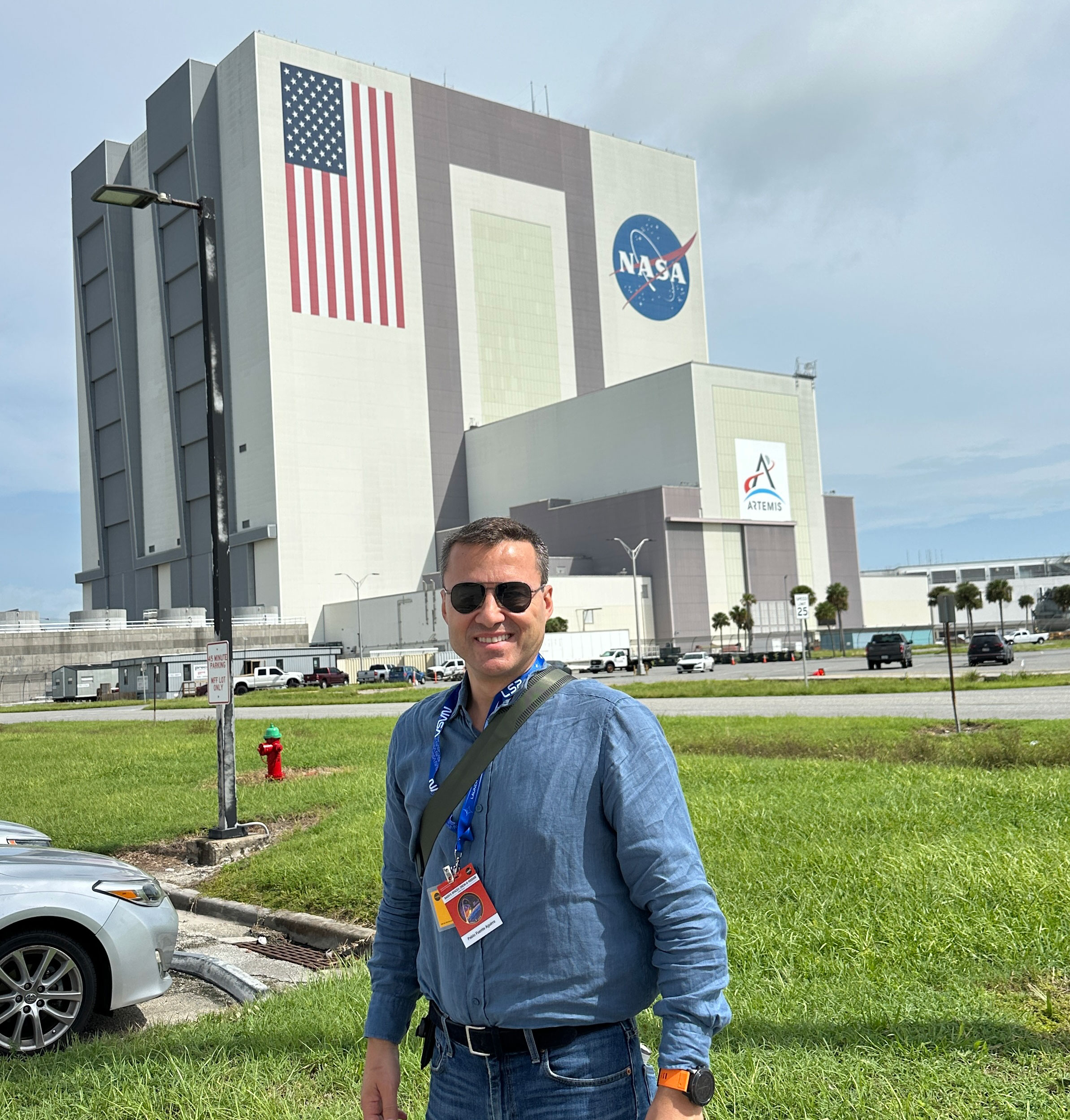
From covering live launches to visiting legendary NASA facilities, I immerse myself in every experience to bring you the raw emotion, without reservation or filter.
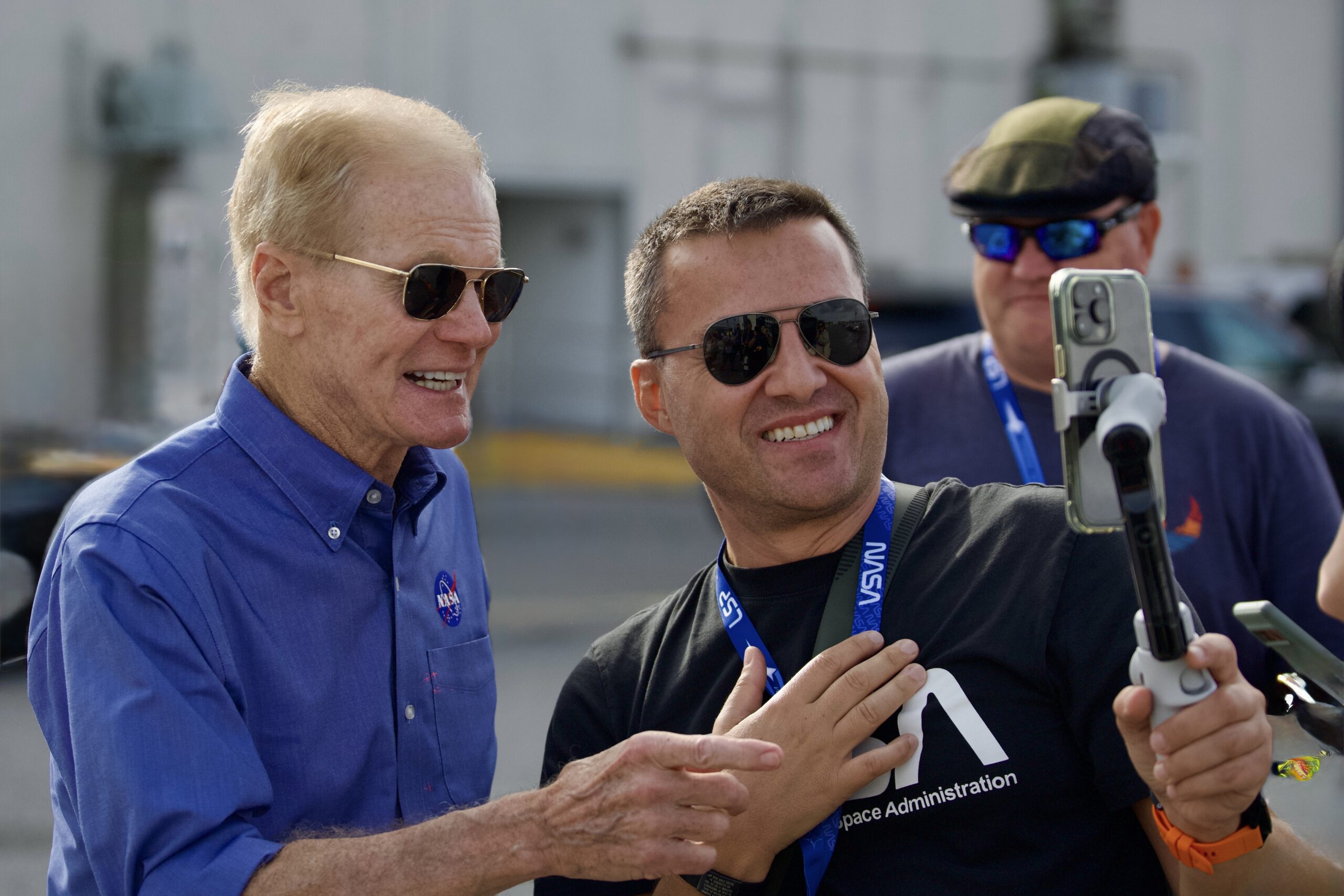
In every encounter, whether with pioneers of new companies breaking into the sector or with key industry figures, I capture the essence of a world that awakens curiosity, stimulates creativity and reinforces the conviction that we are part of something much bigger.
Space exploration not only opens a window to the vastness of the universe, but also teaches us to value and care for our planet. Each image of Earth as seen from space reminds us of the beauty of our home and the importance of preserving its balance.
In addition, by breaking down complex topics and bringing technology into everyday language, we open the door for more people to get excited about science, becoming the inspiration that motivates future generations of scientists, engineers and artists.
Órbita Infinita is, in essence, a journey of discovery and union: a bridge that links technological and scientific advances with everyday life, reminding us that innovation, international cooperation and the desire to know the unknown are forces that propel us forward.
Because, after all, space science is amazing, and you don’t have to be an expert to marvel at the universe.
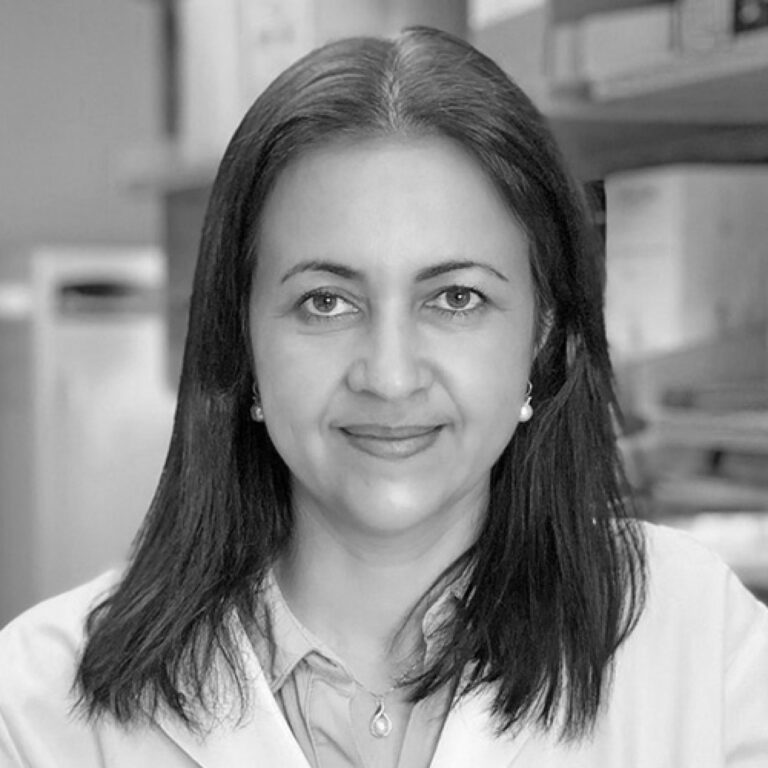
La enfermedad de Alzheimer afecta a más de 55 millones de personas en el mundo. Pero lo que la mayoría no sabe es que hasta el 45% de los casos podrían evitarse o retrasarse. Y que un simple análisis de sangre podría detectar la enfermedad hasta 20 años antes de que aparezca el primer síntoma. En esta conversación con la neurocientífica Sonia Villapol — investigadora en el Houston Methodist Research Institute, experta en neuroinflamación, nutrición y daño cerebral — recorremos el estado real de la ciencia del Alzheimer en 2026: desde la genética que determina quién tiene más riesgo, hasta los tratamientos que por primera vez en la historia están llegando a Europa. Hablamos de los 14 factores de riesgo modificables que la Comisión Lancet ha identificado y que están en nuestras manos controlar. Hablamos del gen APOE4 — presente en casi el 25% de la población — y de un estudio reciente publicado en Nature que concluye que sin los alelos ε3 y ε4, la inmensa mayoría de los casos de Alzheimer sencillamente no ocurrirían. Hablamos de lo que el café, el sueño, el ejercicio y la microbiota intestinal pueden hacer por tu cerebro. De cómo un golpe en la cabeza puede desencadenar una cascada inflamatoria que acelera la neurodegeneración años después. De por qué las personas que han superado un cáncer parecen tener menos riesgo de desarrollar Alzheimer. Y del dato más esperanzador: que los centenarios podrían guardar claves de protección frente a la demencia que aún no entendemos del todo. Una conversación para entender que el Alzheimer no es solo una enfermedad del olvido. Es una enfermedad que se gesta durante décadas, en silencio, y por primera vez contamos con herramientas reales para interceptarla.